
Stands built around lead capture first.
Design, fabrication, installation and on-site management for Indian and international shows, with the lead capture designed in before the graphics are.
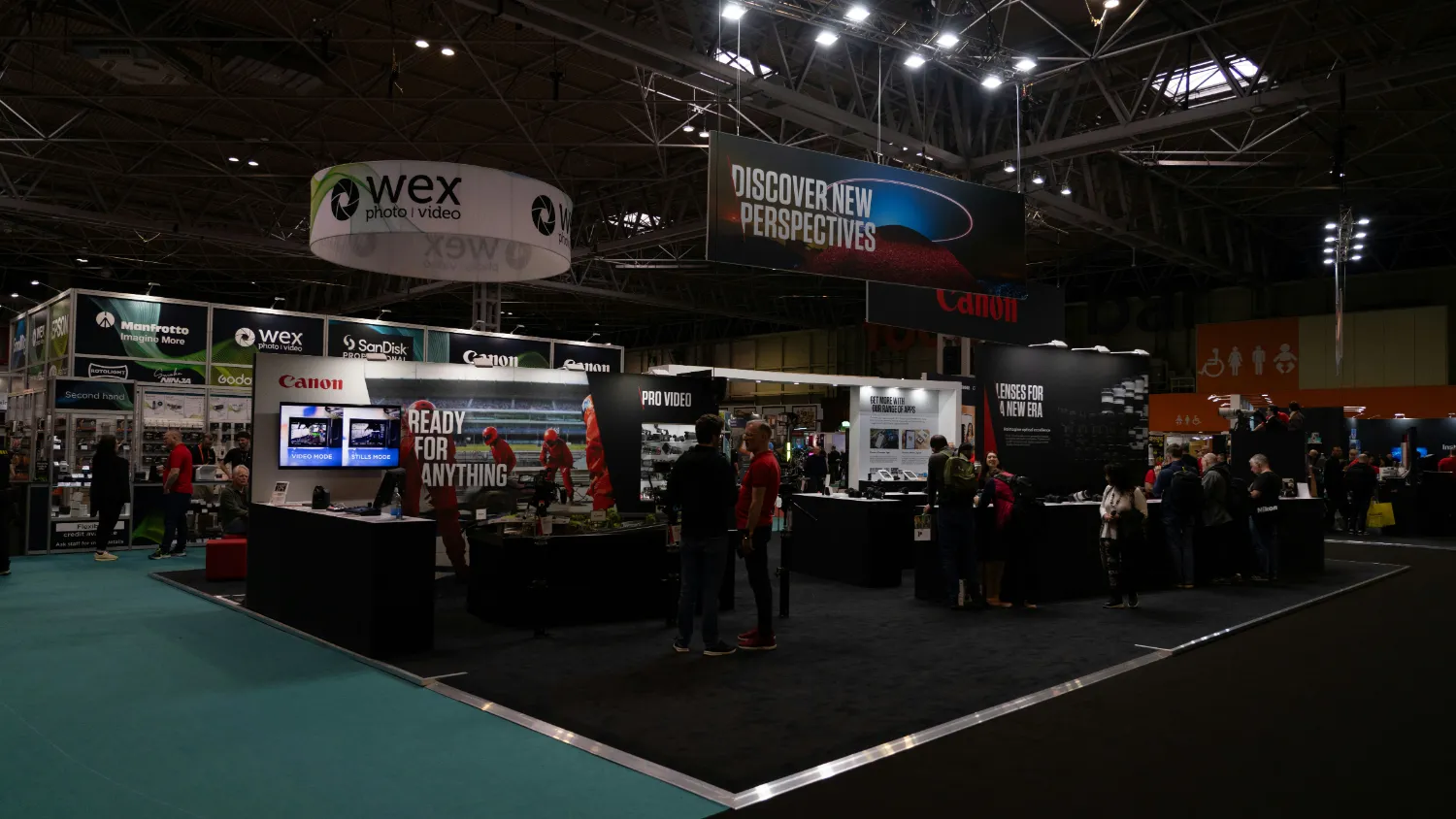
- Lead time
- Six to ten weeks
- We are there
- Build to teardown
- Handover
- Leads in five days
What a stand is for
A stand exists to start conversations with people who can buy, and to record them in a way your sales team can act on the following week. Every decision about it should follow from that: where the demonstration sits, how many people can stand at it without blocking the aisle, where somebody talks without shouting, and how a name gets captured without a clipboard.
Most stands are designed the other way round. The graphics come first, the layout accommodates them, and lead capture is a bowl for business cards added on the morning of day one. The stand looks good in photographs and produces a spreadsheet nobody follows up because there is nothing on it except names.
We start with the counting. What a good show looks like in numbers, agreed before the design begins, then a layout that makes those numbers possible. Open frontage, never a wall of branding people walk past. A demonstration at the right height. A place to sit for the conversations worth twenty minutes. A capture method your team will actually use when the hall is loud and busy.
The other half is delivery, and it is the half that fails. Fabrication runs late, material arrives at the wrong hall, the venue has rules nobody read, and the stand is half built at the opening. We manage that as a schedule with a margin in it, and we are on site from build to teardown so a problem gets solved on the spot instead of reported to you afterwards.
Scope
What is included
Objectives and the numbers
What a good show looks like before design starts: conversations, qualified leads, demonstrations run, meetings booked. Everything else on the stand is built to serve that list.
Stand design
Layout, three-dimensional design, graphics, lighting and furniture, worked against the hall plan and the space you have actually booked, with renders you can approve.
Fabrication
Built by fabricators we work with regularly, to a schedule with a margin in it. Modular construction where you exhibit more than once, so the second show costs a fraction of the first.
Lead capture
A method your team will use in a loud hall: badge scanning where the show supports it, a tablet form where it does not, and the fields agreed with sales, who are the people who have to use them.
Logistics and compliance
Freight, storage, venue paperwork, electrical and rigging approvals, and the organiser's rules read properly. This is where most stands lose a day.
On-site management
We are there from build to teardown. Somebody whose only job is the stand while your team sells, so your team can spend the show talking to people.
How it runs
Weeks one to three
Objectives and target numbers agreed, hall plan and space reviewed, and the design developed to renders you approve. Lead capture is decided here, alongside the layout it has to fit into.
Weeks four to eight
Fabrication, graphics production, furniture and technology, plus the venue paperwork, freight and approvals. We hold a schedule with a margin so a delay is absorbed instead of landing on you.
The show
Build supervised, the stand ready before the hall opens, and our people on site throughout. Photographs, the lead list and a debrief reach you within five working days of teardown.
What you get
- Design renders and the final hall-approved layout
- The fabricated stand, installed and dismantled
- Graphics, lighting, furniture and demonstration setup
- A cleaned lead list with the qualification fields your sales team asked for
- Photographs of the stand and the show, and a written debrief
How it is judged
- Qualified conversations, counted at the stand
- Meetings booked during the show
- Cost per qualified lead against the total show cost including travel
- Whether the stand is reusable, and what the next show costs because of it
Questions we get asked
How much notice do you need?
Can the stand be used again?
Do you handle international shows?
Who staffs the stand?
How do we get the leads?
What does a stand cost?
Next
Tell us the show and the space
Which show, how many square metres, and what a good outcome would look like in numbers. We come back with a concept direction, a realistic schedule and a budget split you can argue with.
Related services
The work behind this